Things to Do Around Waikoloa: A Concierge's Big Island Itinerary
Waikoloa sits on the sunniest stretch of the Big Island’s coast, and it makes a genuinely unfair base camp. Within a five minute walk of Hali’i Kai you have a swimmable bay, a lava field carved with centuries-old petroglyphs, and two open-air marketplaces. Within a two and a half hour drive you have an active volcano, a 442-foot waterfall, and the summit of the tallest mountain on Earth measured from its base.
The problem is never finding things to do around Waikoloa. The problem is sequencing them. So instead of another ranked list, here is how our concierge team actually plans a week for guests: by days. If you’d rather browse the full menu first, our complete list of things to do in Waikoloa and the Kohala Coast has every one of these with the practical details. And if you are new to the island entirely, what Hawai’i Island is actually like explains the scale, the climates, and the beaches these days are built around.
Your first morning: Waikoloa at walking pace
Do not drive anywhere on day one. Jet lag wakes most mainland visitors before sunrise, and the best first morning on the island is the one right outside the door.
Walk ~30 minutes (4 min drive) to ‘Anaeho’omalu Bay, the crescent of sand and coconut palms everyone here calls A-Bay. It is calm, swimmable, and at its best before 9 a.m. If you want to be on the water rather than in it, stand-up paddleboarding on the glassy early-morning bay is the gentlest introduction to Hawai’i we know.
On the walk back, detour through the Waikoloa petroglyph preserve, where thousands of figures are pecked into the pahoehoe lava beside the King’s Trail. Go early. The lava field holds heat like a skillet by mid-morning.
That leaves the afternoon for the easy stuff: lunch and browsing at Kings’ Shops and Queens’ MarketPlace, a tee time on one of the two championship courses at Waikoloa Beach Resort, or, if you’re traveling with kids who have been promised dolphins, Dolphin Quest at the Hilton Waikoloa Village five minutes up the road.
A day on the water
The Kohala Coast is the driest, calmest shoreline on the island, which is why the snorkeling and sailing live here.
Start with the reef. You can snorkel straight off A-Bay, or drive 10 to 15 minutes to Hapuna and Kauna’oa, the two white-sand beaches that end up on national best-of lists and mostly deserve it. Mornings are calmest and clearest almost year-round. Beginners who want to stand up on a wave should head about 40 minutes south for surf lessons at Kahalu’u, where the summer swells are forgiving.
In winter, the water changes character. From November through April the channel off the coast fills with North Pacific humpbacks, and whale watching boats depart from A-Bay and Kawaihae, 5 to 15 minutes away. Peak months are January through March, when you will also see spouts from the beach walk without ever boarding a boat.
End the day afloat. A sunset catamaran sail leaves from the same harbors and runs about two hours around golden hour. Or trade sunset for something stranger: the manta ray night snorkel, 35 to 45 minutes south in Kona, where you float over dive lights while mantas with 12-foot wingspans barrel-roll beneath you. It is the single most requested booking we make, and it books out days ahead in peak season.
A day up north: Kohala and the valleys
North Kohala is old Hawai’i, green pastures, small towns, and the island’s most dramatic coastline, and it makes a natural loop.
Head up the coast with a first stop at Pu’ukoholā Heiau, the massive war temple Kamehameha I built at Kawaihae, about 15 minutes from the resort. Twenty minutes further north, Lapakahi State Historical Park walks you through the ruins of a 600-year-old fishing village on a bare lava shore. Both are hot and exposed, so do them before lunch.
Continue through Hawi, the plantation town turned gallery-and-coffee stop at the island’s northern tip, to the end of the road: the Pololū Valley Lookout, about an hour and 15 minutes from Waikoloa. The view down the black-sand valley and along the sea cliffs is the best free thing on the island. The trail to the beach is short but steep and slick after rain, wear real shoes.
Adrenaline option on the way back: ziplining through the Kohala rainforest above the same cliffs. Then loop home through the ranch country of Waimea, adding the Waipi’o Valley Lookout via Honoka’a if the afternoon is clear.
The mountain at night: Mauna Kea
Stargazing on Mauna Kea is the thing guests still talk about a year later, and it needs a plan, because the summit road is not casual.
The simple version: book a guided summit and stargazing tour. Operators handle the 4WD driving, the parkas, the hot chocolate, and the telescopes, and they time sunset from 13,800 feet so you catch the shadow of the mountain stretching across the island. Dress for near-freezing temperatures even in July, and skip it entirely if you have been scuba diving that day or are traveling with young kids, since the altitude is real.
The independent version: drive yourself about an hour and 15 minutes to the Visitor Information Station at 9,200 feet. No 4WD required, no tour price, and the sky is still darker and clearer than almost anywhere on the planet. Bring every layer you packed.
A day south: coffee country and the historical coast
South of the resort, the highway climbs into the cool green belt where Kona coffee grows, and drops to the coast where Hawaiian history is thickest.
Start with a Kona coffee farm tour in Holualoa or Captain Cook, 45 minutes to an hour and 15 south depending on the farm. From August through January you can watch harvest and roasting in progress. Tea drinkers can go further upcountry for a Hawaiian tea farm tasting, and anyone who wants to understand why this slope grows things so well should walk the Kona Cloud Forest Sanctuary, an hour south and usually wrapped in mist.
On the coast below, pick one or both: kayak across Kealakekua Bay to the Captain Cook monument over some of the clearest water in the state, or stand quietly inside Pu’uhonua o Honaunau, the Place of Refuge, where broken kapu could be forgiven and the royal grounds still hold their mana. History minded travelers can add Hulihe’e Palace in Kailua-Kona, about 40 minutes from the resort, on the drive home.
The long day: Volcanoes National Park and Hilo
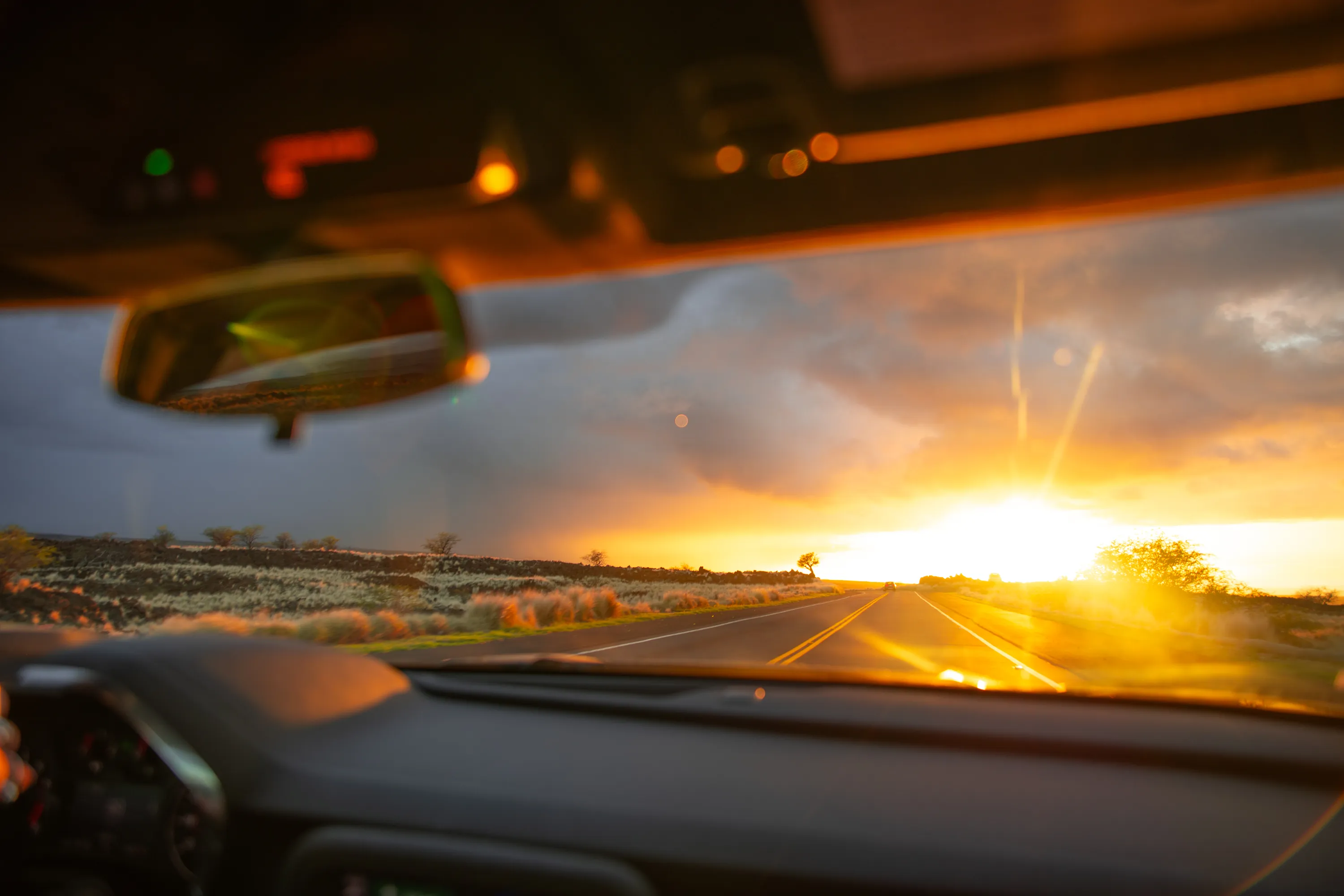
This is the one that earns the early alarm. Hawai’i Volcanoes National Park is 2 to 2.5 hours from Waikoloa, and it is worth every minute of the drive: steam vents, the Kilauea caldera, the Thurston lava tube, and, when an eruption is active, a glow after dark that does not look real. Check the eruption status before you commit the day.
The smart move is a loop through Hilo. Rainbow Falls is fullest after morning rain, which Hilo reliably provides. ‘Akaka Falls drops 442 feet through jungle a little up the Hamakua Coast, near the Hawai’i Tropical Bioreserve and Garden, which tumbles down a ravine to the sea. Rainy afternoon? The ‘Imiloa Astronomy Center connects Mauna Kea’s telescopes to Polynesian wayfinding better than any planetarium we have visited. Traveling with kids, swap in the free Pana’ewa Rainforest Zoo.
If the drive is the dealbreaker, there is a shortcut: a helicopter tour from Waikoloa Heliport, 10 minutes from Hali’i Kai, covers the volcano and the waterfall coast in a morning.
Evenings back in Waikoloa
The island rewards early mornings, but Waikoloa holds its own after dark. An oceanfront sunset luau runs on select nights at the resorts along the coast, and the right night varies by week, so ask us and we will check the current schedules. The marketplaces stage free hula and live music some evenings, five minutes from your door.
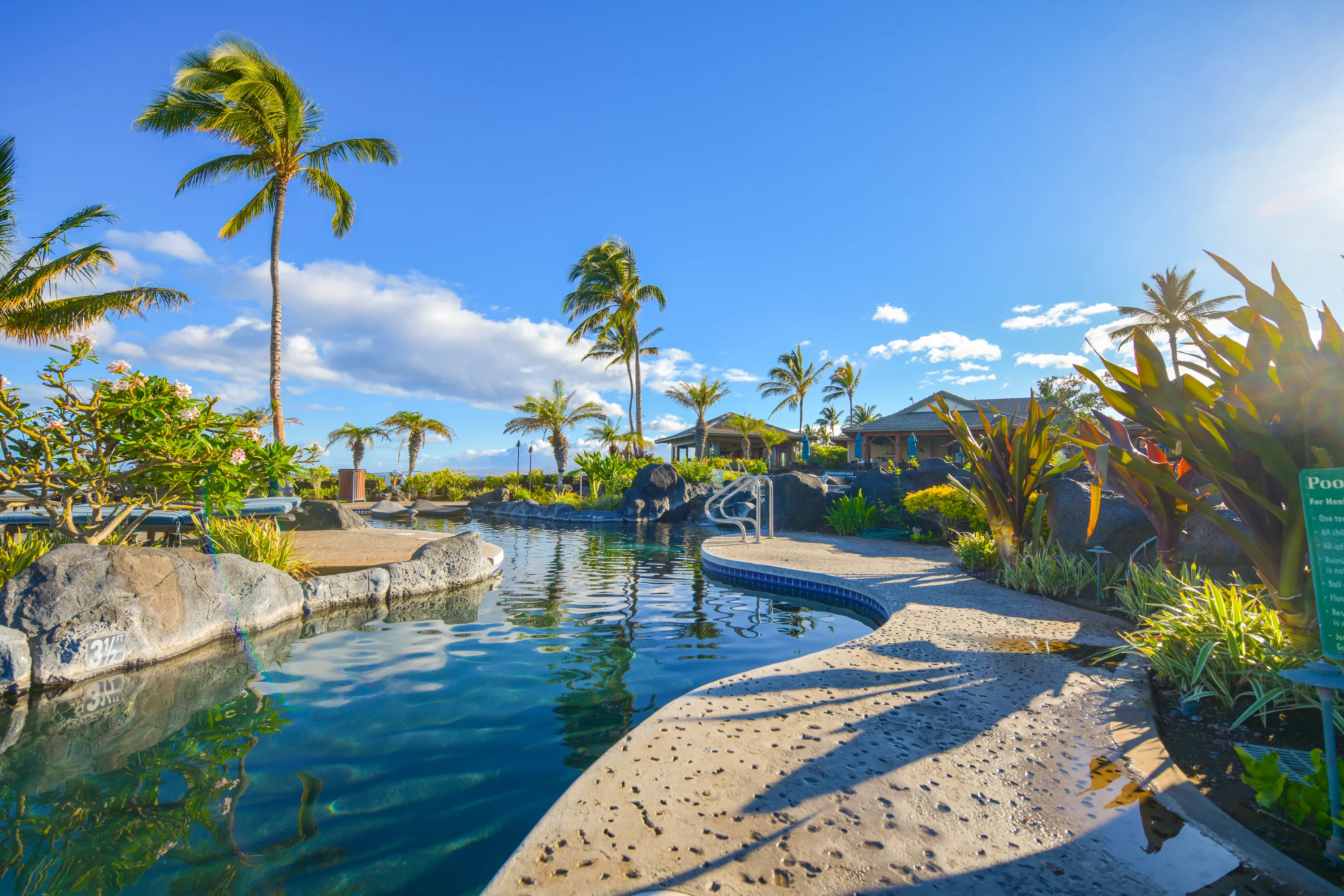
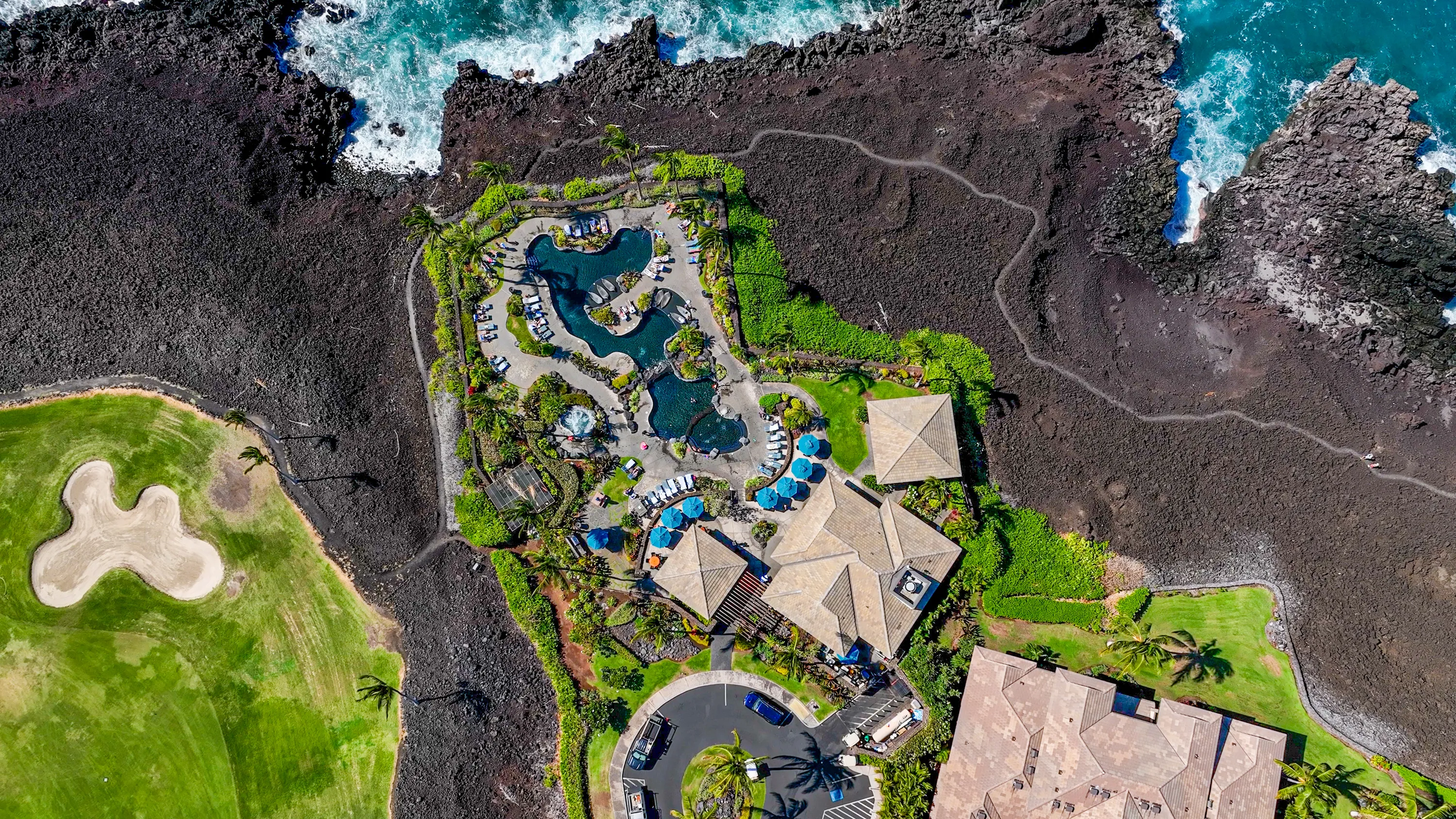
And guests at Hali’i Kai have the quietest option of all: dinner and a drink at the Ocean Club, the community’s private oceanfront pool and restaurant, watching the sun drop into the channel where, in winter, the whales are still breaching.
How we’d order the week
The sequence matters more than the list. Jet lag is a tool for the first two days, so spend those early wakeups on the beach and the water while your body still thinks it is 5 a.m. Save the long drives for mid-week once you have settled in, and keep the last day close to home.
- Day 1: A-Bay, the petroglyphs, the marketplaces. No car needed.
- Day 2: Water day. The reef in the morning, a sunset sail or the manta snorkel after dark.
- Day 3: The Kohala loop north to Pololū, home through Waimea.
- Day 4: Slow morning, golf or Hapuna Beach, then Mauna Kea for sunset and stars.
- Day 5: The Volcanoes and Hilo long day.
- Day 6: Coffee country and the Place of Refuge.
- Day 7: Back where you started, on the sand five minutes from the door.
Three timing notes worth stealing. The manta snorkel books out three to seven days ahead in peak season and helicopter seats about a week ahead, so lock those in first. Never schedule Mauna Kea on the same day as scuba diving, because altitude and nitrogen do not mix. And whale season, November through April, upgrades the water day more than anything else on this page.
Drive times from Waikoloa
Every estimate below comes from our activity guides and assumes normal traffic from Hali’i Kai at Waikoloa Beach Resort. If you are still choosing dates and working out how many days to give the island, our guide to planning a Hawai’i Island vacation is the place to start.
| Destination | Drive from Waikoloa |
|---|---|
| ’Anaeho’omalu Bay (A-Bay) | 5 min drive, ~30 min walk |
| Kings’ Shops & Queens’ MarketPlace | 5 min |
| Hapuna & Kauna’oa beaches | 10 to 15 min |
| Pu’ukoholā Heiau (Kawaihae) | 15 min |
| Kona manta ray departure points | 35 to 45 min |
| Kailua-Kona (Hulihe’e Palace) | 40 min |
| Kohala zipline courses | 50 min to 1 hr |
| Waipi’o Valley Lookout | 1 hr |
| Kona coffee farms | 45 min to 1 hr 15 |
| Pololū Valley Lookout | 1 hr 15 |
| Mauna Kea Visitor Station | 1 hr 15 to 1 hr 30 |
| Hilo (Rainbow Falls, ‘Imiloa) | 1 hr 30 |
| Hawai’i Volcanoes National Park | 2 to 2.5 hr |
Every drive time, season, and honest caveat in this guide comes from the team that lives here and plans these weeks for guests all year. Polu Resorts runs private villa suites inside Hali’i Kai at Waikoloa Beach Resort, with a local concierge who helps you sequence the days and book the nights that matter before they fill. If you are still deciding where to base yourself, start with our honest comparison of condos versus hotels on the Big Island and our equally honest answer to whether Hali’i Kai is worth it.
Frequently asked questions
Is Waikoloa a good base for exploring the Big Island?
Yes, arguably the best one. Waikoloa sits on the island's dry, sunny leeward coast about half an hour north of Kona International Airport, with the Kohala Coast beaches at its doorstep. Nothing is out of reach: Mauna Kea's Visitor Station is about 90 minutes away and Hawai'i Volcanoes National Park is a 2 to 2.5 hour drive.
How far is Hawai'i Volcanoes National Park from Waikoloa?
About 2 to 2.5 hours each way, so treat it as a full-day trip. Most guests leave in the morning, pair the park with the Hilo-side waterfalls, and stay past dusk for the crater glow when there is an active eruption before driving home.
Do you need a rental car in Waikoloa?
For day trips, yes. There is no practical way to reach Pololū Valley, Mauna Kea, or the national park without one. Within Waikoloa Beach Resort itself you can comfortably go carless for a day or two, since the beach, the petroglyph preserve, and both marketplaces are walkable from Hali'i Kai.
What can you do in Waikoloa without a car?
Plenty. 'Anaeho'omalu Bay is a five minute walk for swimming, snorkeling, and paddleboarding, the Waikoloa petroglyph preserve is a short stroll, and Kings' Shops and Queens' MarketPlace cover dining, shopping, and free evening entertainment. Guests at Hali'i Kai also have the private Ocean Club pool and restaurant inside the community.
When is whale season in Waikoloa?
November through April, with peak activity from January through March. You do not need a boat: in peak season guests spot breaches from the A-Bay beach walk and from oceanfront suites at Hali'i Kai. A morning boat tour gets you much closer.
Can you drive to the Mauna Kea summit yourself?
Only in a true 4WD vehicle with low range, which most rental contracts prohibit on the summit road. The practical options are a guided summit tour that handles the driving, the parkas, and the telescopes, or driving yourself to the Visitor Information Station at 9,200 feet, where the stargazing is still world class.
What is there to do in Waikoloa at night?
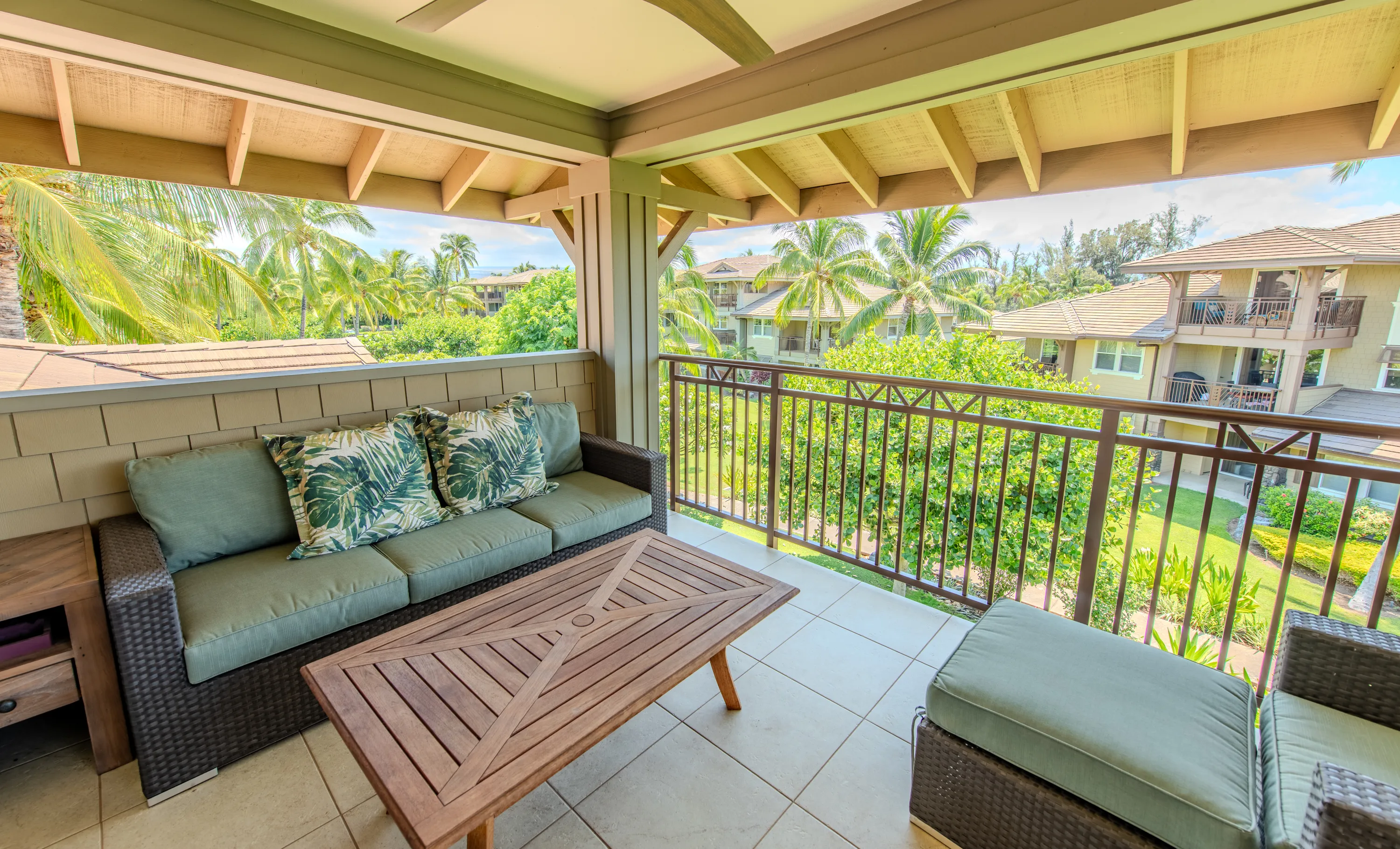
More than most people expect. The manta ray night snorkel departs from Kona points about 35 to 45 minutes south, oceanfront luau shows run on select nights along the coast, the marketplaces host free evening entertainment, and the leeward sky is dark enough that stargazing from your lanai is a legitimate plan.
How many days do you need in Waikoloa?
A week fills easily without repeating a day. Five days covers the resort itself, a day on the water, the Kohala loop, Mauna Kea at night, and the Volcanoes day trip. On shorter stays, stay close: the beaches, the reef, and the mantas are the things people fly back for.